
Concrete Field Testing Equipment: How to Manage It, Track It, and Stay Compliant
Every concrete field technician knows the feeling of showing up to a pour and discovering something is missing, out of calibration, or due for inspection. Concrete field testing equipment seems straightforward on paper: you buy what you need, you bring it to the job, you run the test. But for construction materials testing firms managing multiple crews, multiple projects, and multiple compliance requirements at once, the equipment side of operations is often where things quietly fall apart.
This post covers the core equipment used in concrete field testing, the compliance requirements that govern it, and the systems CMT firms use to keep everything tracked and audit-ready without drowning in paperwork. For a broader look at what CMT field technicians handle day to day, see our post on a day in the life of a CMT field technician.
The Core Equipment Used in Concrete Field Testing
Fresh concrete tests typically include slump, air content, unit weight, and temperature, along with the molding of strength specimens. Each of those tests requires its own set of equipment, and each is governed by a specific ASTM or AASHTO standard. For a broader overview of equipment across all material types, see our guide to construction materials testing equipment.
Here is a breakdown of the primary pieces of concrete field testing equipment and the standards they are tied to:
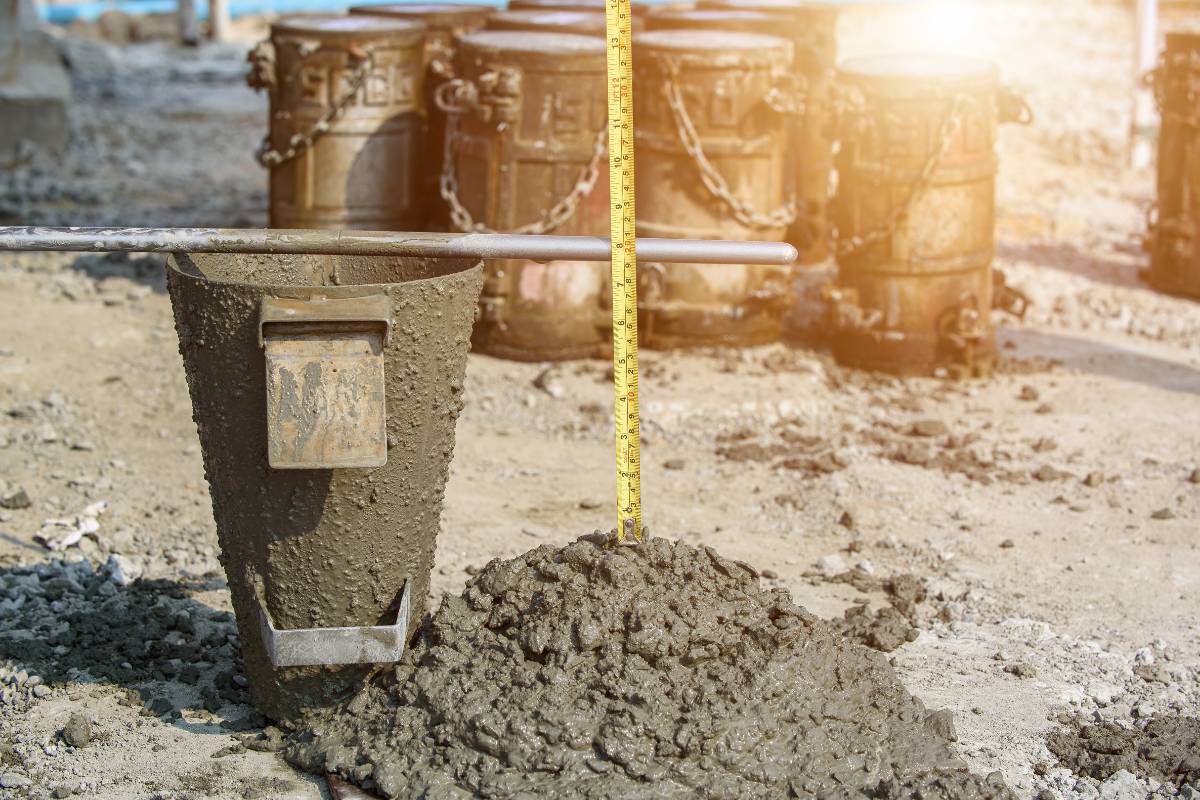
Slump cone (ASTM C143): The slump cone, also called an Abrams cone, measures the consistency and workability of fresh concrete. The basic items needed to perform the test include a slump cone, a baseplate, a 5/8 inch steel tamping rod, and a tape measure or ruler. The cone must be clean and free of concrete buildup for accurate results.
Air meter (ASTM C231): A Type B pressure meter is commonly used to measure air content in normal-weight concrete. The meter is not a standalone tool. Running the test also requires a mallet, a 5/8 inch rod, a water container, and a scoop. The meter requires regular calibration, an aggregate correction factor must be applied per the test method, and it demands more routine maintenance than anything else in the kit.
Unit weight measure (ASTM C138): The unit weight, or density, of fresh concrete is measured using a calibrated cylindrical measure. In practice, most technicians use the air meter bucket for this test. The test also requires a field scale that is calibrated and in good working condition, and a battery powered scale is the better choice, since electrical power is not always available on site. Unit weight data gives you a third point to check against slump and air content readings, which helps flag inconsistencies in testing accuracy or mix production.
Thermometer (ASTM C1064): Concrete temperature must be measured within a specific time window after sampling. Most field kits include a calibrated pocket thermometer or digital probe, though the type matters more than people expect. Some jurisdictions restrict which instruments are acceptable. The City of Chicago, for example, permits only glass thermometers.
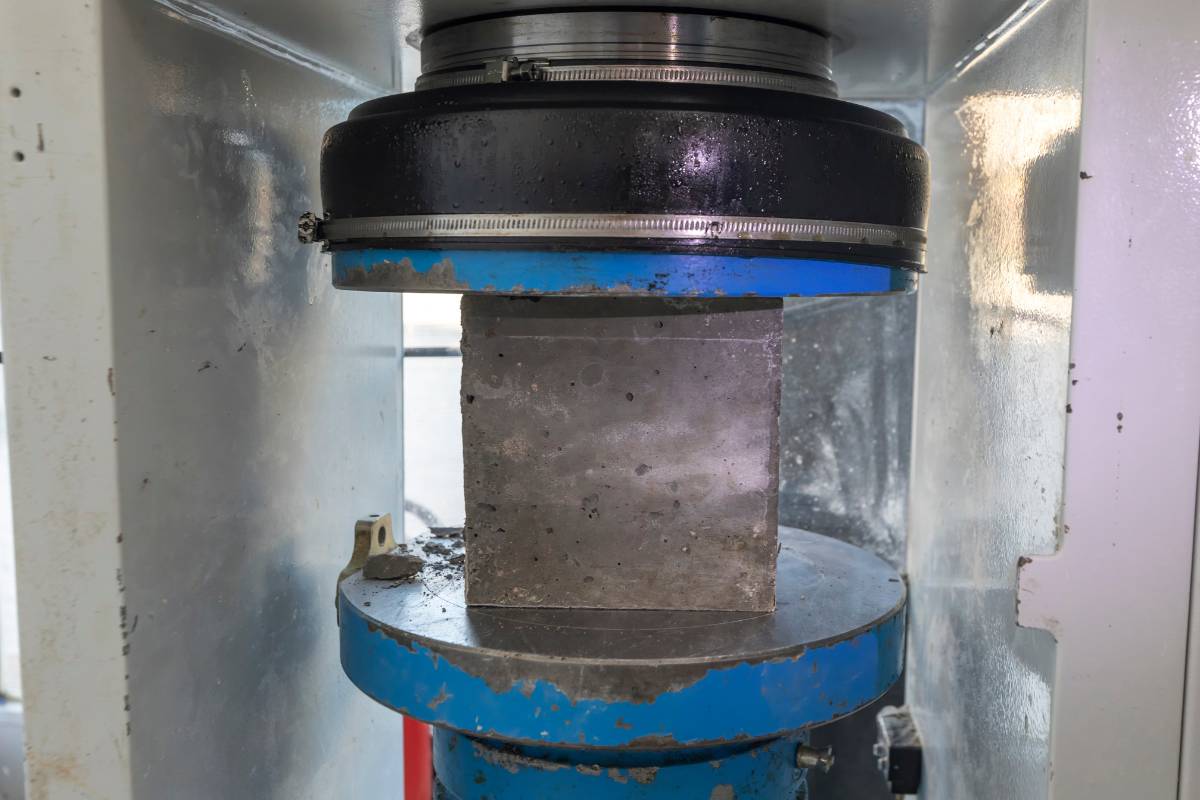
Cylinder molds (ASTM C31): Plastic or steel cylinder molds are used to cast compressive strength specimens in the field. Mold dimensions must conform to standard sizes, typically 4x8 inches or 6x12 inches, and molds must be inspected before use. Regardless of type, molds should always have a cap to prevent moisture loss from the specimens and to protect them from debris and contamination. For a full breakdown of what happens once those specimens reach the lab, see our post on concrete cylinder testing.
Tamping rod and vibrator: Used for consolidating concrete in cylinder molds, during the slump test, and during the air content test. The rod diameter, length, and tip shape are specified by the applicable standard, and the mallet has its own dimensional requirements defined in ASTM and in the ACI certification manual. The scoop is easy to overlook and easy to leave behind.
Why the Air Meter Needs the Most Attention
Of everything in a field kit, the air meter is the piece most likely to produce bad numbers from poor maintenance rather than poor technique.
The rubber seal at the bottom has to be clean to hold a good seal. The petcocks need frequent cleaning so water flows properly. The initial pressure, or IP, needs to be verified regularly rather than assumed. The bucket itself has to stay clean, because buildup affects calibration, IP, and the results that come out of both. And the rim should be checked routinely for cracks, gouges, and other damage.
None of that is difficult. All of it is easy to skip on a busy week, and none of it announces itself when it goes wrong. An air meter with a dirty seal does not fail. It just quietly reports the wrong number, and every result taken with it inherits the problem.
Why Equipment Management Is Where CMT Firms Struggle
Owning the right equipment is the easy part. The harder part is keeping track of it across field crews, job sites, and time.
Calibration is the most common pain point. Most concrete field testing equipment requires calibration on a defined schedule, and calibration records must be maintained and available for review during audits. A pressure meter that has not been calibrated in over a year, or a unit weight measure that has been dented and never reinspected, can call the validity of dozens of test results into question.
Equipment loss and wear are ongoing issues for firms with active field operations. When equipment is shared across crews or moved between job sites without a formal check-in and check-out process, it is easy to lose track of what is where, what condition it is in, and when it was last serviced.
Accreditation reviews add another layer of pressure. Laboratory assessment programs like AASHTO re:source and CCRL, along with state DOTs, require firms to demonstrate that their equipment is properly maintained and calibrated. When that documentation lives in a binder on someone's desk or across multiple spreadsheets, pulling it together under review conditions is a time-consuming and error-prone process. See our AASHTO R18 blog for a closer look at what accreditation bodies expect.
What Calibration and Compliance Actually Require
ASTM test methods specify calibration intervals for the equipment used in each procedure. Air meters, unit weight measures, and scales all have defined requirements, and those requirements are not always consistent across the methods. Staying current means tracking each piece of equipment individually, not just running a blanket annual calibration and calling it done.
State DOTs and accreditation bodies may layer additional requirements on top of ASTM minimums. A firm working on federally funded projects or under a specific DOT contract may be subject to stricter intervals or additional documentation requirements.
Technician certifications intersect with equipment compliance as well. An ACI-certified technician using out-of-calibration equipment is still producing potentially invalid results. The equipment and the personnel tracking functions are not separate problems; they are two parts of the same compliance picture. Omnant's certification tracking module keeps both in the same system.
How Software Solves the Equipment Tracking Problem
Spreadsheets and paper logs are not built for the way CMT firms actually operate. They require manual updates, do not send alerts, and do not connect field activity to the compliance record in any automatic way. When a calibration date is missed because someone forgot to update a cell in a shared Excel file, the firm may not know until an auditor points it out.
As we outlined in our guide to CMT software for modern laboratories, equipment tracking is one of the most critical functions a purpose-built platform needs to handle well, monitoring calibration schedules, flagging maintenance requirements, and making sure everything meets accuracy standards before it becomes a compliance issue. When equipment records live in the same system as test data, certifications, and project documentation, the audit trail exists as a byproduct of normal operations rather than something that needs to be assembled after the fact.
For firms managing concrete field testing equipment across multiple crews and locations, that kind of automatic tracking changes the day-to-day experience of compliance. Instead of chasing calibration records before an accreditation review, the records are already there, current, and tied to the projects they supported.
Omnant's equipment tracking solution is built specifically for CMT and geotechnical testing operations. Calibration schedules are tracked automatically, expiration alerts flag equipment before it goes out of compliance, and every record is organized and ready for review. It connects directly to the field and lab workflows your team is already using, so there is no separate system to maintain. Those field results flow from the job site through to lab testing and reporting in one connected system.
Learn more about how Omnant supports construction materials testing operations, or see how the platform handles chain of custody from field to lab.
Find out what your equipment records look like when they maintain themselves. Request a free demo.
Share this Post:
Related Blog Post

Start streamlining your inspection and CMT testing processes with Omnant's integrated solution. Contact us today to learn how our software can support your goals for operational excellence.