
What Buckled Beams in Midtown Tell Us About QA and QC in Construction
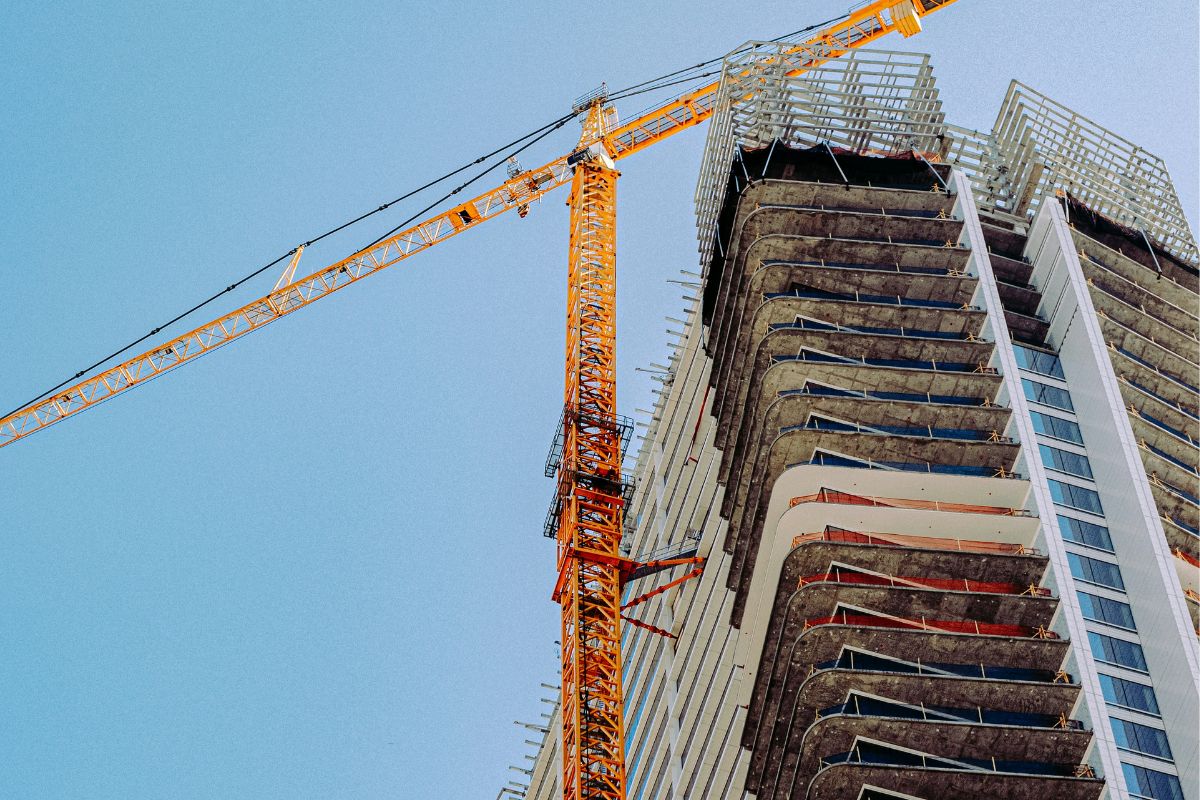
On the morning of July 7, 2026, construction workers at 235 East 42nd Street in Midtown Manhattan noticed something wrong. Bricks were falling. Columns were buckling on the 21st and 22nd floors.
By the time emergency crews arrived, five floors of the 38-story building had begun to cave under the stress. The former Pfizer headquarters, now under conversion to a 1,500-unit residential complex, was in serious trouble.
Nine buildings were evacuated. Streets were closed. The FDNY deployed 21 units and 79 personnel. No injuries were reported, but the images from inside tell a sobering story: a steel beam bent nearly in half, floors sagging, a structure in distress.
The investigation into what caused the failure is ongoing. But the incident raises a question that every construction professional should be asking: what does a functioning QA and QC program in construction actually prevent, and what happens when it fails?
What QA and QC in Construction Actually Mean
Quality assurance and quality control are terms that get used interchangeably, but they describe two different things.
Quality assurance is the process side. It's the set of planned, systematic activities that ensure a construction project is being executed according to defined standards, whether that's material specifications, structural requirements, or code compliance. QA is proactive. It's about building a system that prevents problems before they occur.
Quality control is the verification side. It's the inspection, testing, and documentation that confirms materials and workmanship actually meet the required standards at each stage of the project. QC is reactive in the best sense: it catches problems while there is still time to correct them.
Together, QA and QC form the backbone of any construction project where the stakes are high. And in construction, the stakes are always high.
Where the System Is Supposed to Catch Problems
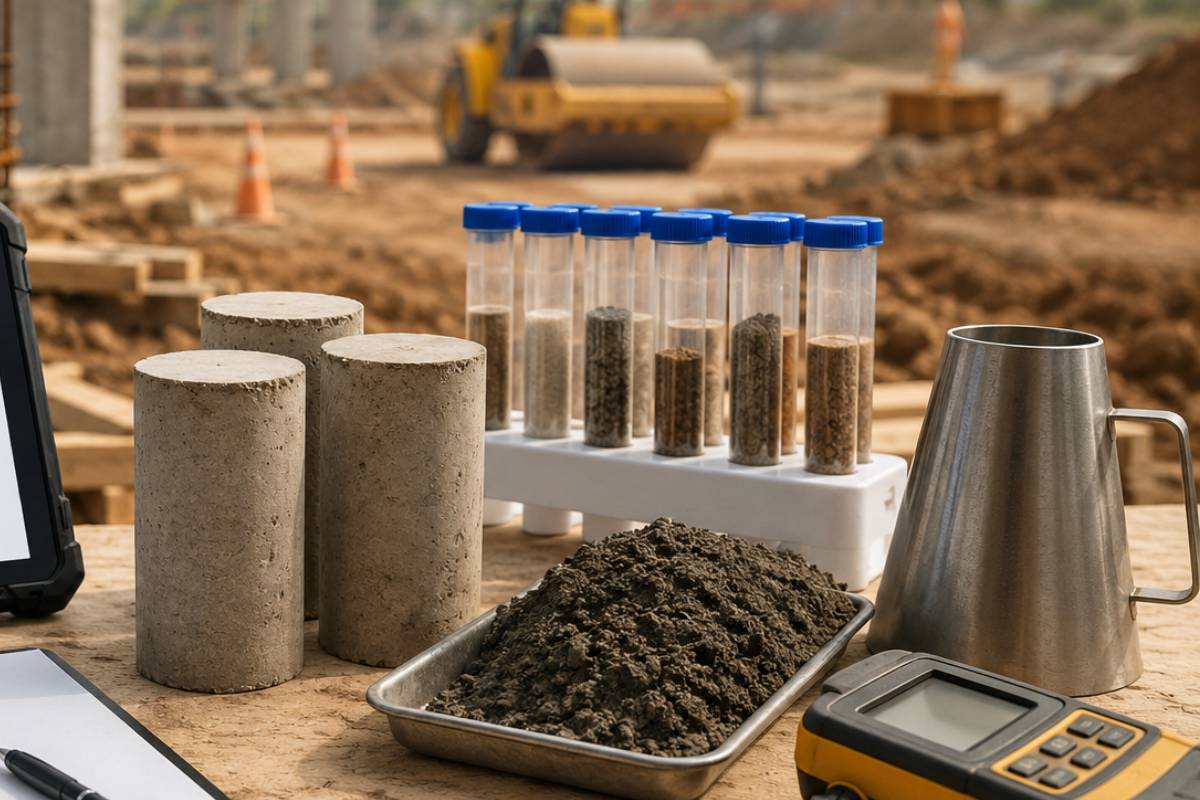
In a project like the conversion at 235 East 42nd Street, a proper QA and QC program would involve multiple layers of oversight at every stage of the structural work. Materials testing confirms that the concrete, steel, and other structural components meet specified strength and performance requirements before they go into the building. Field inspections verify that installation is proceeding according to design intent. Documentation creates a traceable record of every test result, every inspection, and every deviation from the plan.
That documentation is not bureaucratic overhead. It's the evidence trail that allows engineers, inspectors, and contractors to answer one critical question at any point in the project: is this structure performing the way it’s supposed to?
When a column begins to buckle on the 21st floor of a building under construction, the first question investigators ask is: what does the record show? Were the materials tested? Were the inspections completed? Were deviations from the structural plan documented and addressed? If the answer to any of those questions is unclear, the investigation gets harder and the liability gets murkier.
QA and QC in the CMT Lab
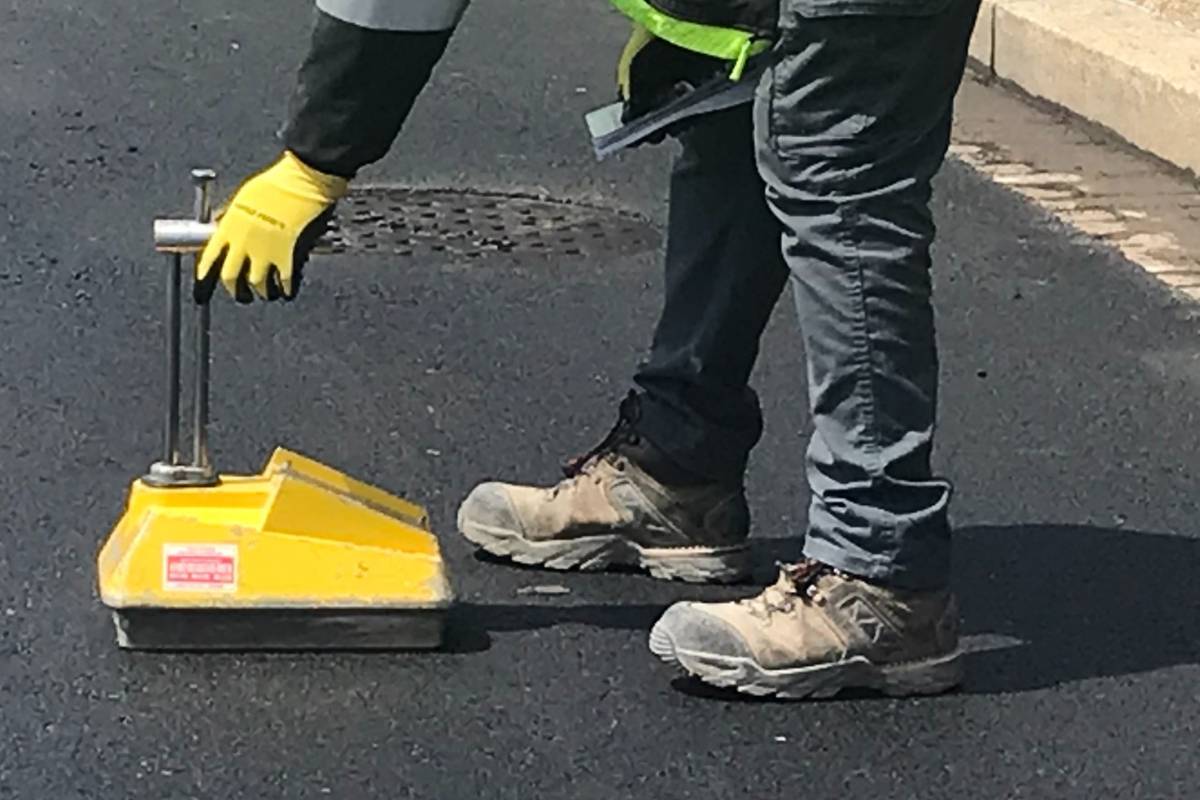
For construction materials testing labs, QA and QC in construction is not an abstract concept. It's work. Every cylinder break, every compaction test, every field inspection report is a data point in a larger quality system that's supposed to catch problems before they become emergencies.
The challenge is that QA and QC only work when the data is clean, complete, and traceable from the point of collection to the final report. A compressive strength result that gets transcribed incorrectly, a field inspection that happens without documentation, a calibration record that's out of date: each one introduces a gap in the chain of evidence that's supposed to protect everyone downstream.
Omnant's platform is built around closing those gaps. Field inspections are documented in real time, with automatic timestamps and direct connection to the project record. Lab results flow from integrated testing equipment into structured reports without manual re-entry. Calibration records are maintained automatically with reminders before expiration. Every change made after report approval is tracked, creating the kind of audit trail that AASHTO R18 and ASTM E329 require.
That’s what a functioning quality system looks like in practice: not a policy document, but a live, connected workflow that produces defensible records at every stage of the testing process.
The Cost of Getting It Wrong
The Midtown incident is a reminder of what's at stake when QA and QC in construction break down. Nine buildings evacuated. Streets closed. A project halted. A building that may be months away from reopening. The financial and reputational consequences have not been fully calculated yet, but they will be significant.
For CMT labs, the equivalent failure looks different but carries the same logic. A disputed test result with no documentation to back it up. A calibration gap that calls months of data into question. A field inspection that happened but was never recorded. These are not catastrophic failures in the same visible sense, but they erode the trust that clients, engineers, and accreditation bodies place in a lab's work. And that trust, once damaged, is expensive to rebuild.
Field inspection tools that capture data at the source, connect it to the lab, and produce complete records without manual intervention are not a luxury for a CMT operation. They are the foundation of a quality system that holds up when something goes wrong.
What CMT Labs Can Do Right Now
The Midtown story will continue to develop as investigators determine what went wrong and who is responsible. But the lesson for CMT labs does not depend on those findings. It's already visible in the structure of the incident itself.
Problems that are caught early, while there is still time to act, look like a field technician flagging a test result that does not match the mix design. Problems that are not caught early look like buckled columns on the 21st floor and nine buildings evacuated on a Tuesday morning.
That discipline exists to keep the second scenario from becoming the first. CMT labs that take that responsibility seriously, with rigorous documentation, connected workflows, and real-time visibility into field and lab testing and reporting, are doing more than running tests. They are providing the early warning system that keeps structures safe and projects on track.
Want to see how Omnant keeps your lab's quality program running from the field to the final report? Schedule a demo today.
Share this Post:
Related Blog Post
Start streamlining your inspection and CMT testing processes with Omnant's integrated solution. Contact us today to learn how our software can support your goals for operational excellence.